

The world is changing faster than nature can adapt
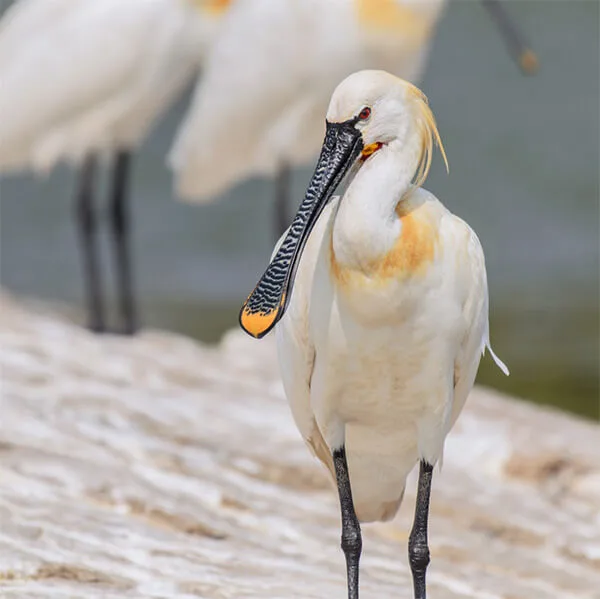
Wetlands are deteriorating, coastlines are eroding, and climate extremes are increasingly reshaping the landscapes that support both people and wildlife. Our migratory birds are here to tell the story.
Across the flyway, they are sending a clear signal: their routes are shifting, their numbers declining, their resting places lost to floods, droughts, and human developments. Each bird lost is a warning that the wider ecosystem changes threaten the Flyway's survival.
Where wetlands thrive, the chorus of the birds testifies to their health; where wetlands vanish, their silence speaks volumes.
What matters now is how we respond—by turning evidence into action.
What matters now is how we respond—by turning evidence into action.

What matters now is how we respond—by turning evidence into action.
What matters now is how we respond—by turning evidence into action.


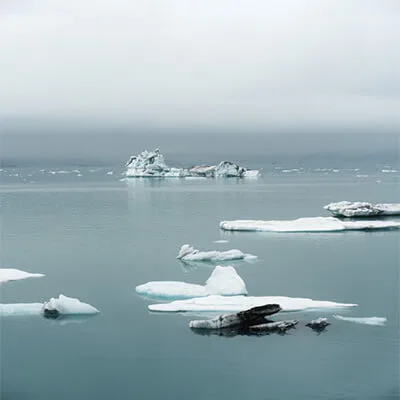
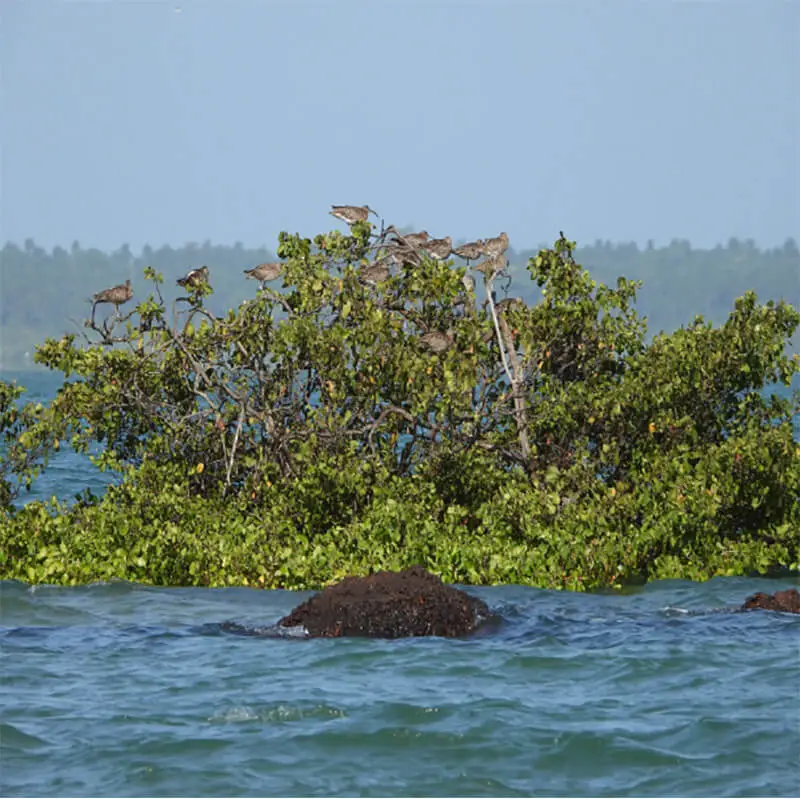
The East Atlantic Flyway stretches from the Arctic tundra to the wetlands of Southern African, connecting diverse coastal ecosystems, and millions of people. Across the flyway, nature and people are closely linked and face similar challenges as climate and environmental pressures increase. Urgent action is needed to address these threats. Nations, conservationists and local communities are working together to protect and restore wetlands that provide protection, support livelihoods, store carbon, and provide habitat for migratory birds.

We track what matters: bird populations, wetland condition, and human impacts. Behind every metric lies a story and every story helps shape what comes next.

To protect the flyway, we use science to guide management, support policies that enable conservation, and build on local knowledge to restore balance.

Together, we can
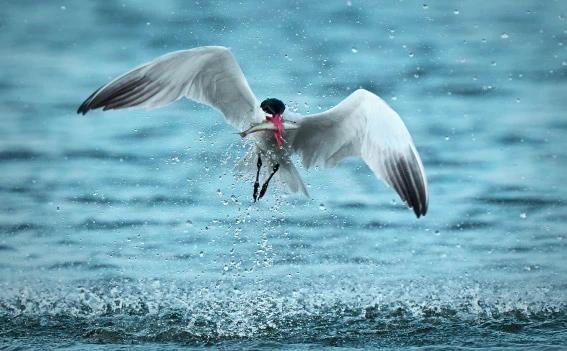
help keep migration routes open and connected.
Together, we can
help keep migration routes open and connected.



One Flyway.
One Future.
One Flyway.
One Future.

This website brings together stories and insights from partners across the flyway who are working collectively through science, management, policy, and community engagement to conserve and restore resilient wetlands. Designed with and for those working across the flyway, it is intended to inspire and guide future conservation action at site level and beyond.